

The Rise of HYROX: Why Hybrid Training is Taking Over in 2026
Why the "Hybrid Athlete" is no longer a niche subculture—it's the gold standard for modern fitness competition.
Expert guidance on nutrition, metabolic science, and precision fitness tracking.
Why the "Hybrid Athlete" is no longer a niche subculture—it's the gold standard for modern fitness competition.
Why the 90-minute sleep cycle is the most important metric you aren't tracking in your fitness app.
A comprehensive review of the metabolic effects of time-restricted feeding protocols.
How to structure your cardio sessions to maximize your aerobic capacity and healthspan.
How micronutrient timing — not just calorie restriction — determines your fat-loss rate. The science of when to eat your vitamins and minerals.
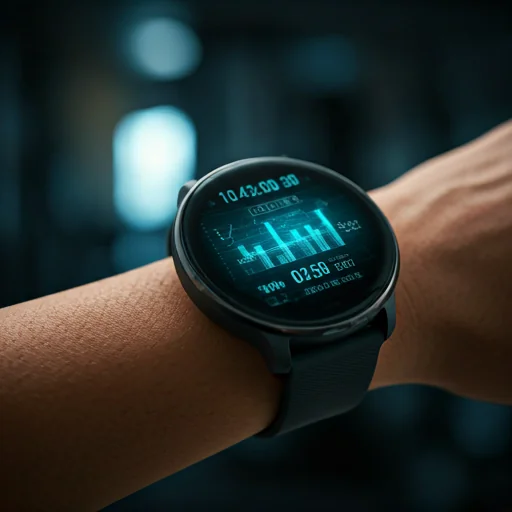
What your wearable actually measures — and what it gets wrong. A data breakdown of heart rate, HRV, calorie burn, and sleep staging accuracy.
How creatine works, loading vs maintenance, optimal timing, who benefits most, and every major myth debunked by the actual research.
The mathematical approach to breaking through lifting plateaus and building consistent strength.
Why elite athletes spend 80% of training time at an easy pace — and the mitochondrial science that makes it the most powerful longevity tool available.
Ice baths reduce DOMS and speed recovery — but there is a hypertrophy trade-off most advocates ignore. Full evidence-based guide with protocols.
The 30g absorption limit is a myth — but protein timing and distribution still matter for building muscle. The evidence explained clearly.
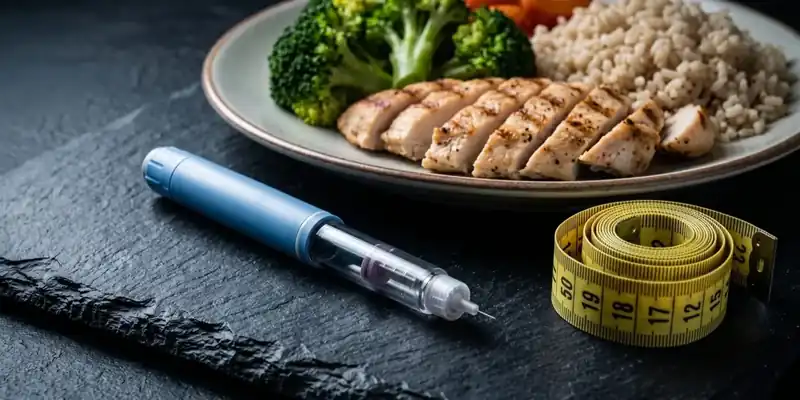
Ozempic and Wegovy deliver 15% average weight loss — but up to 40% can be muscle without the right nutrition and training strategy.
Elite athletes have measurably different gut bacteria. How your microbiome affects energy, inflammation, and recovery — and how to shift it in 48 hours.
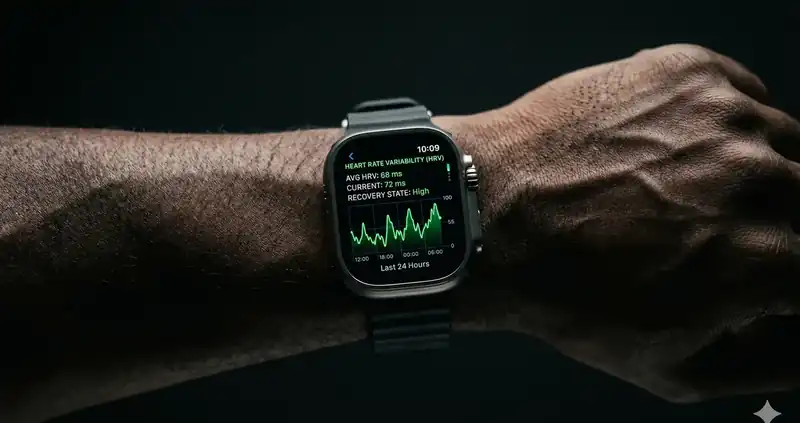
The milliseconds between your heartbeats reveal whether today is a green, amber, or red training day. What HRV measures, what good scores look like, and the daily protocol that prevents overtraining.
Continuous glucose monitors are moving from diabetic clinics to elite training rooms. What glucose data reveals about fuelling, recovery, and metabolic flexibility — and what it cannot tell you.
Women lose 3–8% of muscle mass per decade after 30. Strength training is the single most effective intervention — and the perimenopause window is when it matters most. The protocol, the evidence, the common mistakes.
Ashwagandha reduces cortisol by 27%, improves VO2 max by 7%, and cuts anxiety 41% versus placebo. The clinical evidence and practical protocol for the most studied botanical in sports science.
Berberine activates AMPK like metformin, delivers 2–4 kg fat loss in 12 weeks across meta-analyses, and cuts LDL by 23% — all without a prescription. The clinical evidence and athlete dosing protocol.
Sauna triggers HSP70, reduces DOMS by up to 50%, and improves VO2 max 5–10% without blunting muscle growth — unlike cold plunge. The evidence-based post-workout protocol.
2% dehydration cuts performance 15–20%. Athletes need 500–1,000mg sodium per hour — far more than standard sports drinks provide. The complete electrolyte protocol for endurance and strength athletes.
Alternate 3 minutes fast with 3 minutes slow. No equipment. Clinical trials show 45% leg strength gain and 10% aerobic capacity improvement — beating continuous walking on every measured outcome.
Caffeine is the most-studied ergogenic aid in sports science. How to dose it at 3–6 mg/kg, time it for peak plasma concentration, and cycle it to prevent tolerance from killing the effect.
Metabolic adaptation makes prolonged diets less effective over time. Reverse dieting adds 50–100 kcal per week to systematically restore your metabolism without gaining fat.
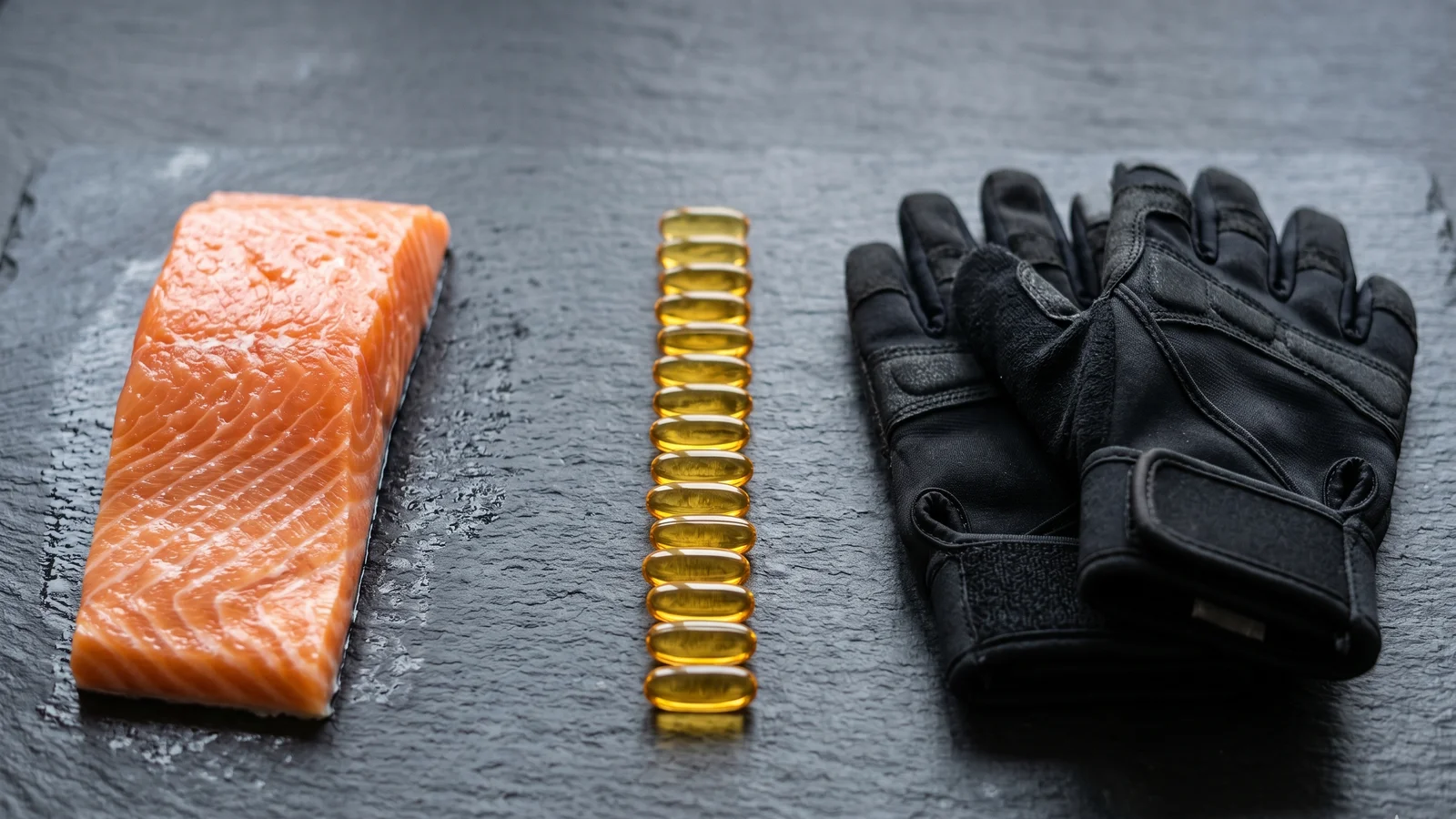
Fish oil does more than protect your heart. At 2–4g EPA+DHA daily, omega-3 reduces DOMS by ~20%, augments muscle protein synthesis, and may provide neuroprotective benefits for contact athletes.
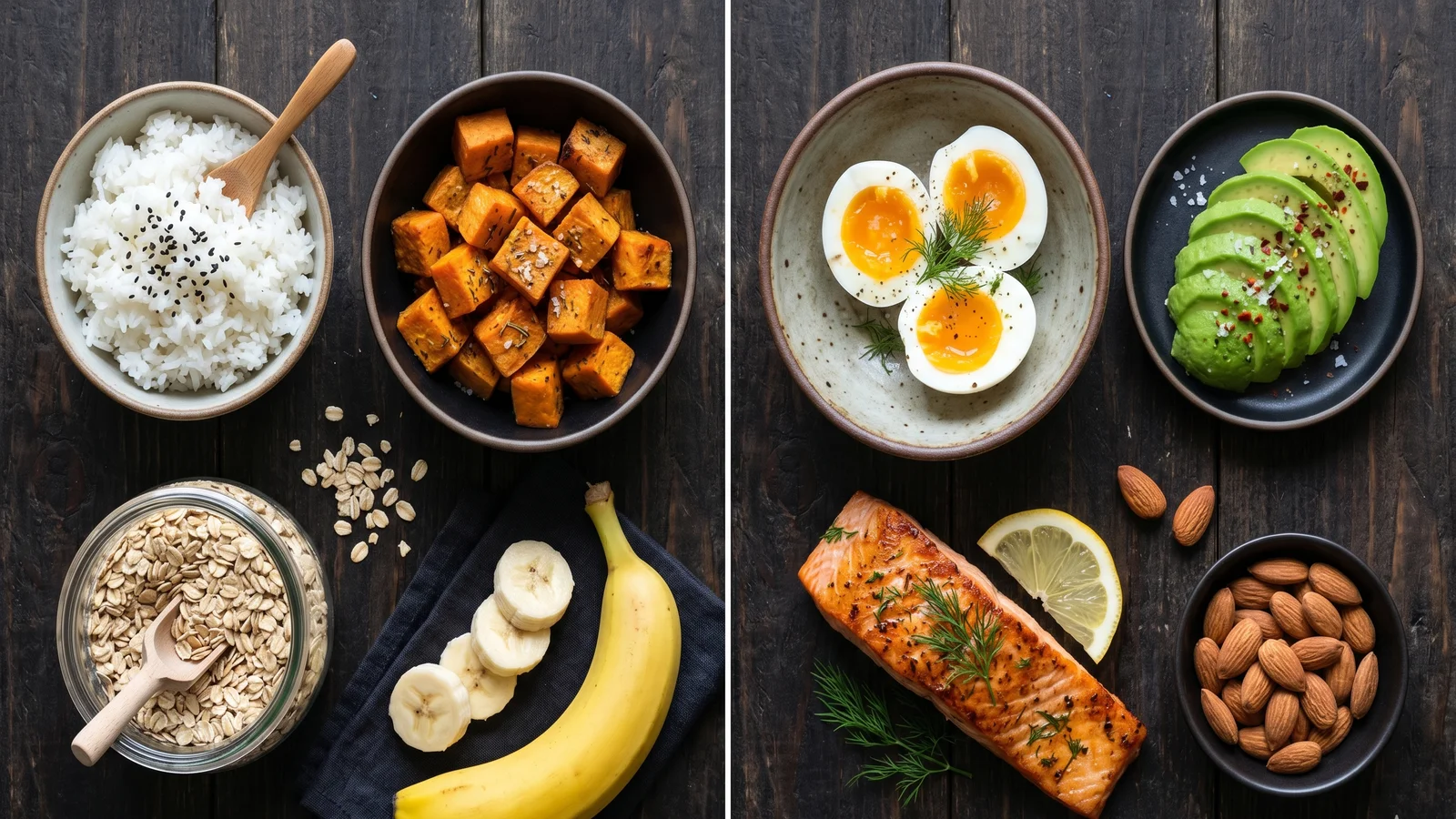
High carbs on hard training days, low carbs on rest days. Match fuel to demand and maintain performance while staying in a weekly deficit — complete protocol with example weekly schedule.
Planned recovery weeks aren't lost progress — they're where supercompensation happens. Evidence-based guide to when to deload, how to cut volume without losing intensity, and why skipping deloads is the most common programming mistake.
No articles match your search.