GLP-1 & Weight Loss: What the Science Actually Says
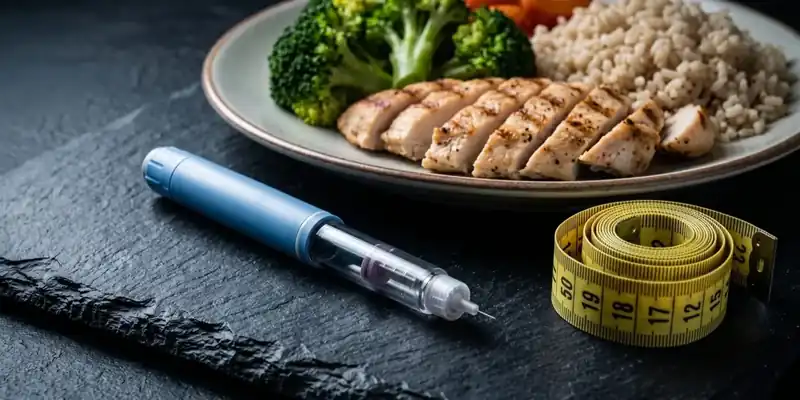
Semaglutide (Ozempic, Wegovy) and tirzepatide (Mounjaro, Zepbound) have transformed the weight loss landscape more rapidly than anything since bariatric surgery. Clinical trials show average body weight reductions of 15–22% — figures that dwarf the 2–4% typically achieved through diet and exercise interventions alone. The waiting lists are months long, the cultural conversation is relentless, and the questions are everywhere: How do they work? Are they safe long-term? What happens to your muscle? And critically — what do you need to do differently if you are on one?
What GLP-1 Agonists Actually Do
GLP-1 (glucagon-like peptide-1) is a hormone naturally produced in the gut after eating. It stimulates insulin secretion, suppresses glucagon, slows gastric emptying, and signals satiety to the hypothalamus. In simple terms: food stays in your stomach longer, your blood sugar response is blunted, and your brain receives a sustained "full" signal well before you would normally feel satisfied.
GLP-1 agonist drugs mimic this hormone at a much higher sustained concentration than natural post-meal release. The result is a profound reduction in appetite and food cravings — users consistently report that food "noise" in their mind quiets dramatically, and portion sizes they previously found unsatisfying now feel like too much. This is not willpower. It is a pharmacological restructuring of hunger signalling that sidesteps the mechanisms responsible for dietary adherence failures.
Tirzepatide (Mounjaro) adds a second mechanism: GIP (glucose-dependent insulinotropic polypeptide) agonism, which enhances insulin sensitivity and fat storage inhibition beyond what GLP-1 alone achieves. Phase 3 SURMOUNT trials showed average weight loss of 20–22% at 72 weeks with tirzepatide — setting a new benchmark for non-surgical weight intervention.
The Muscle Loss Problem
The most significant and underreported risk of GLP-1 therapy is lean mass loss. In the SUSTAIN-6 and STEP trials, body composition analysis showed that approximately 25–40% of total weight lost was lean tissue, not fat — depending on whether participants engaged in resistance training and consumed adequate protein. For someone losing 20kg on semaglutide, this could mean 5–8kg of muscle mass disappearing alongside the fat.
This matters enormously for long-term outcomes. Muscle mass drives resting metabolic rate, insulin sensitivity, functional strength, bone density, and mortality risk. Losing large amounts of lean tissue while losing fat puts people in a better-looking but metabolically fragile state — lower BMI but also lower metabolic rate, making weight regain after discontinuation much more likely. The rebound rates observed after stopping GLP-1 therapy are substantially higher when lean mass was not preserved during treatment.
"The goal is not just weight loss — it is fat loss with muscle preservation. GLP-1 therapy without adequate protein and resistance training may be trading one problem for another."
— Muscle loss findings, STEP trials, NEJM 2021
Nutrition Strategy While on GLP-1
The dramatically reduced appetite created by GLP-1 drugs creates a paradox: you eat far fewer calories, which drives weight loss, but the same appetite suppression makes it difficult to consume adequate protein, vitamins, and minerals. Most GLP-1 users spontaneously reduce food intake to 1,000–1,400 kcal/day. At that calorie level, hitting 1.2–1.6g of protein per kilogram of bodyweight requires deliberate, structured effort.
Priority Nutrition Rules on GLP-1
- check_circleProtein first at every meal: When appetite is suppressed, eat protein before any other macronutrient. Once you are full, carbohydrate and fat get displaced — not protein.
- check_circleTarget 1.2–1.6g protein per kg of bodyweight: Use Greek yoghurt, cottage cheese, eggs, lean meat, and protein shakes to hit this even when appetite is low.
- check_circleMicronutrient supplementation: At reduced calorie intake, food-sourced micronutrients are insufficient. A comprehensive multivitamin, vitamin D3, magnesium, and omega-3s are standard adjuncts.
- check_circleStay hydrated: GLP-1 slows gastric emptying and can reduce thirst signalling. Deliberate hydration is critical — use our Water Intake Calculator to set a daily target.
Resistance Training Is Non-Negotiable
The single most effective intervention for preserving lean mass during GLP-1-induced weight loss is resistance training. Studies comparing GLP-1 users who performed structured resistance training versus those who did not showed dramatically better lean mass retention in the training group — with some studies showing near-zero lean mass loss when protein intake was adequate and resistance training was performed 3 times per week.
The mechanical stimulus from resistance exercise — compound movements like squats, deadlifts, rows, and presses — provides a signal to preserve and adapt muscle tissue even in a caloric deficit. GLP-1 drugs do not blunt this signal. The training stimulus for muscle retention works independently of appetite regulation. Two to three sessions per week of full-body resistance training, progressive in load over time, is the minimum effective dose.
Who Should — and Should Not — Use GLP-1 Drugs
GLP-1 agonists are approved for use in adults with a BMI of 30+ (obese), or 27+ with at least one weight-related comorbidity (Type 2 diabetes, hypertension, sleep apnoea). They are prescription-only medications with meaningful side effect profiles: nausea, vomiting, constipation, and diarrhoea are common, particularly in the dose-escalation phase. Rare but serious risks include pancreatitis and, in animal studies (not confirmed in humans), medullary thyroid cancer — hence contraindication in individuals with personal or family history of thyroid cancer or MEN2.
For healthy, lean athletes looking for a performance or aesthetic edge, GLP-1 drugs carry disproportionate risk relative to benefit. The appetite suppression, lean mass risk, and hormonal effects at low body weight are poorly studied in this population. This is a medication for metabolic disease management, not a shortcut for body recomposition in already-lean individuals.
Tracking Progress on GLP-1
Scale weight alone is an inadequate metric when using GLP-1 therapy. The goal is fat loss with lean mass retention, not simply the lowest number on the scale. Track body composition (DEXA scan or reliable skinfold measurements at 8-week intervals) alongside weight. Use our Body Fat Calculator as a regular checkpoint to monitor whether the weight you are losing is primarily fat or if lean mass is declining. Recalculate your TDEE every 4 weeks — as body weight drops significantly, your calorie needs change, and your protein targets should be recalculated on your current weight.
What Happens When You Stop GLP-1 Medication
The rebound question is critical and frequently avoided in mainstream coverage. The STEP 4 trial, which withdrew semaglutide after 20 weeks and followed participants for a further 48 weeks, found that participants regained approximately two-thirds of their lost weight within one year of stopping the medication. The hormone-level appetite suppression that GLP-1 drugs provide is entirely pharmacological — when the drug is discontinued, hunger returns to its pre-treatment baseline, and the behaviours that drove original weight gain resume unless they have been restructured during treatment.
This creates a binary reality: GLP-1 therapy either needs to be long-term (possibly lifelong for individuals with severe obesity), or the treatment window must be used to fundamentally restructure dietary habits, exercise behaviour, and gut microbiome composition so that maintenance is achievable after stopping. The drugs work as a bridge — an appetite reset that creates a window of reduced caloric intake during which habits can be rebuilt. They are not a permanent solution unless taken permanently.
GLP-1 vs Bariatric Surgery: How They Compare
| Factor | GLP-1 Drugs | Bariatric Surgery |
|---|---|---|
| Avg weight loss | 15–22% body weight | 25–35% body weight |
| Reversibility | Fully reversible (stop drug) | Largely irreversible |
| Muscle loss risk | High without resistance training | High without resistance training |
| Duration | Ongoing (rebound on stopping) | Longer-lasting structural change |
| Surgical risk | None | Significant perioperative risk |
Frequently Asked Questions
How quickly do GLP-1 drugs start working?
Appetite suppression typically begins within the first week of the starting dose, though most protocols begin at a low dose and escalate over 16–20 weeks to minimise gastrointestinal side effects. Significant weight loss (5%+ of body weight) is usually seen at 8–12 weeks on an escalating protocol. The full weight loss effect at the maintenance dose develops over 6–12 months.
Will I regain weight when I stop taking Ozempic or Wegovy?
Most people regain a significant portion of lost weight after stopping — the STEP 4 trial showed approximately two-thirds regained within one year. The exceptions are individuals who used the treatment window to build robust exercise habits, restructure their diet, and lose predominantly fat rather than muscle. The drug removes hunger as a barrier; you must use that window to build a sustainable lifestyle that works without the drug.
Do I still need to watch what I eat on GLP-1 medication?
Yes. The appetite suppression is powerful but does not make you immune to poor food quality. Many GLP-1 users find they eat dramatically less — but what little they eat still determines micronutrient sufficiency, protein intake, and gut health. Prioritising protein-dense, minimally processed whole foods within your reduced calorie intake is essential to protect lean mass, maintain energy, and avoid nutritional deficiencies during the treatment period.
Can GLP-1 drugs cause muscle loss?
Yes — this is one of the most clinically significant concerns with GLP-1 therapy. Studies show 25–40% of total weight lost can be lean mass without adequate protein intake and resistance training. The rapid calorie restriction creates a catabolic environment where muscle is catabolised for energy alongside fat. Structured resistance training (2–3 sessions per week) and protein intake of at least 1.2g per kg of bodyweight are the primary interventions proven to reduce lean mass loss during treatment.
Are GLP-1 agonists safe for long-term use?
Current evidence from trials up to 4 years suggests an acceptable safety profile in the approved population (BMI 30+ or 27+ with comorbidities). The most common long-term concerns are gastrointestinal (nausea, gastroparesis in rare cases), and a theoretical — but unconfirmed in humans — thyroid cancer risk seen in rodent studies. The cardiovascular benefit data is strongly positive: the SELECT trial (2023) showed a 20% reduction in major cardiovascular events with semaglutide. Long-term data beyond 5 years is still limited given the drugs' relatively recent approval for obesity.