Walking After Meals: Does It Blunt Glucose?
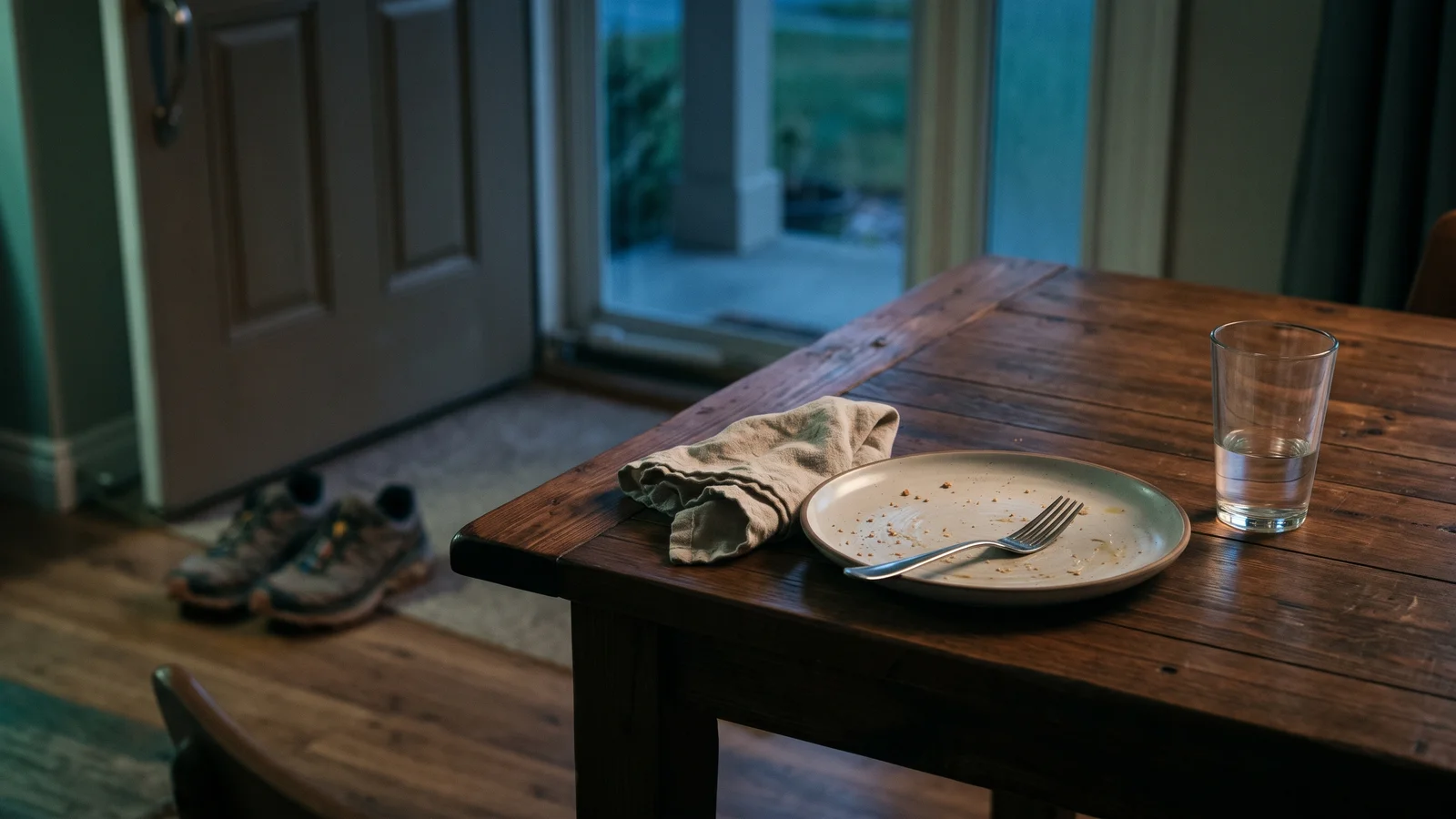
Walking soon after you finish eating tends to reduce the rise in blood glucose that follows a meal, and the effect appears larger than walking before eating. Light walking breaks also beat standing in the lab studies reviewed here.
None of this means a stroll fixes a poor diet or replaces medical care. The trials are small and short. But the habit is cheap, safe for most people and easy to test. This article covers what two meta-analyses found, why timing seems to matter, and a practical way to try it.
Why blood sugar after a meal matters
After you eat carbohydrate, glucose enters the blood and insulin helps move it into muscle, liver and fat tissue. The rise and fall that follows is called the postprandial response. In healthy people it settles within a couple of hours. In people with impaired glucose tolerance or type 2 diabetes, the peak can be higher and last longer, which is why researchers pay attention to it.
Muscle plays a central role. Working muscle can take up glucose with less reliance on insulin, so light contraction after a meal gives the sugar somewhere to go. This is the basic reasoning behind post-meal walking: you use the muscle just when the glucose is arriving, rather than letting it circulate while you sit.
It is worth keeping perspective. A glucose rise after eating is normal and not a sign of disease on its own. The research here concerns how much activity can smooth that rise in the short term, not whether every spike is harmful. Anyone with diabetes should follow the plan agreed with their care team and ask before changing activity around medication.
What the 2023 meta-analysis found about timing
Tobias Engeroff, David Groneberg and Jan Wilke published a systematic review and meta-analysis in Sports Medicine in 2023. It pooled eight randomised trials with 116 participants, of whom 47 had type 2 diabetes. The authors compared exercise taken before a meal, exercise after a meal and no exercise, looking at the glucose response to the meal itself.
The results favoured afterwards. Exercise after eating beat no exercise with a standardised mean difference of 0.55, and beat pre-meal exercise with a difference of 0.47. Exercise before a meal, compared with doing nothing, showed no significant benefit, with a difference of minus 0.13. In plain terms, the same movement seemed to work much better when placed after the food.
Timing within the post-meal window also appeared to matter. The authors reported a greater effect for activity immediately after finishing the meal than for activity delayed by up to 60 minutes. Their conclusion pointed to a walk of around 20 minutes shortly after eating as useful for blunting the glucose rise in both healthy people and those with type 2 diabetes.
Walking versus standing during a long sit
A second line of evidence looks at breaking up sitting rather than meal timing. A 2022 Sports Medicine meta-analysis by Buffey and colleagues pooled seven acute studies in which adults interrupted prolonged sitting with standing or light-intensity walking. Participants usually did a few minutes of movement at regular intervals while meals and glucose responses were measured in the lab.
Both strategies helped, but walking helped more. Standing breaks reduced postprandial glucose by roughly 9.5% compared with sitting, while light walking breaks cut it by about 17% and also lowered the insulin response. Directly comparing the two, walking produced a larger reduction in glucose and insulin than standing, so a short stroll is the stronger option when you can manage it.
Blood pressure did not change significantly in any condition, so these findings should not be stretched to cover every cardiometabolic marker. The authors also noted that the studies were one-day trials in controlled settings. That tells us what happens on the day of the experiment, not what happens after months of practice, and it limits how far the numbers can be applied to normal life.
How to use a post-meal walk
Keep it easy. The studies used light-to-moderate walking, so a pace where you can chat comfortably is enough. Start within a few minutes of finishing your plate, and aim for about 10 to 20 minutes. If a full walk is not possible, even a few minutes of pacing, washing up or a lap around the office is a reasonable substitute.
Choose the meal that matters most. For many people that is the largest or most carbohydrate-heavy meal of the day, often dinner. A post-meal walk also fits well with evening routines and tends to be social, which helps you keep it up. If you have reflux or feel discomfort, slow the pace or wait a few minutes before heading out.
Think of it as one habit among several. Protein and fibre at meals, the order you eat foods, sleep and overall activity all influence glucose as well. Walking after dinner is a simple addition rather than a cure-all. It also contributes to your weekly activity total, which counts towards the WHO and CDC target of 150 minutes of moderate activity.
What we still do not know
The evidence base is small. The 2023 meta-analysis rested on eight trials and 15 effect sizes, and only five effect sizes came from people with diabetes. The authors rated individual risk of bias as high across trials, and the meals used differed widely, so the review could not say which meal types benefit most.
There is also no proof here that post-meal walking lowers long-term disease risk, or that it improves outcomes more than the same walk taken at another time. The data speak to short-term glucose curves. Longer trials that track HbA1c, weight and cardiovascular outcomes would be needed before anyone could promise lasting benefit from this one habit alone.
For people on insulin or glucose-lowering drugs, extra activity can change how much medication is needed, so a conversation with a clinician is wise. For everyone else, the risk is low and the potential upside is real. Try it for a couple of weeks, notice how you feel, and keep what suits your schedule.
Try a post-meal walk this week
- check_circleGo soon after eating — start within a few minutes of finishing the meal.
- check_circleAim for 10 to 20 minutes — an easy, conversational pace is enough.
- check_circlePick your biggest meal — usually the one with the most carbohydrate.
- check_circleUse short breaks too — walk for a few minutes whenever you have been sitting for a long time.
- check_circleCheck with your clinician — especially if you use insulin or glucose-lowering medication.
- check_circleCount it — these minutes add up towards 150 weekly minutes of moderate activity.
"The same walk seems to do more for blood sugar after a meal than before one, and it asks for nothing but a pair of shoes."
— Calorie Fit Team
Frequently Asked Questions
Is it better to walk before or after a meal?
The 2023 Sports Medicine meta-analysis found that exercise after a meal reduced the glucose rise, while exercise before a meal showed no significant benefit compared with doing nothing. For blunting the spike itself, afterwards appears to be the better time.
How long should the walk be?
The meta-analysis authors pointed to a walk of around 20 minutes shortly after eating as useful. Shorter walks may still help a little, and an easy conversational pace is sufficient for most people.
Does standing help as much as walking?
Standing helps a little, but walking appears to help more. In the 2022 Buffey meta-analysis, standing breaks lowered postprandial glucose by roughly 9.5% compared with sitting, while light walking breaks lowered it by about 17%.
Should people with diabetes do this?
Many can, and the trials included people with type 2 diabetes, but anyone using insulin or glucose-lowering medication should speak to their care team first. Activity can change medication needs, so personal advice matters more than general findings.
Sources
- After Dinner Rest a While, After Supper Walk a Mile? A Systematic Review with Meta-analysis on the Acute Postprandial Glycemic Response to Exercise Before and After Meal Ingestion in Healthy Subjects and Patients with Impaired Glucose Tolerance — Sports Medicine, 2023
- The Acute Effects of Interrupting Prolonged Sitting Time in Adults with Standing and Light-Intensity Walking on Biomarkers of Cardiometabolic Health in Adults: A Systematic Review and Meta-analysis — Sports Medicine, 2022
- Physical activity fact sheet — World Health Organization, 2024
- Physical Activity Guidelines for Adults — Centers for Disease Control and Prevention, 2024
Educational information, not medical advice. See our Medical Disclaimer and Editorial Policy for how we research and verify articles.